Source Rubber Coated Pipe Clamps for Food and Dairy
Find 30 rubber clamps options for dairy, beverage, and biotech applications. Compare stainless steel and carbon steel models with natural ventilation and CE certification to match your industrial piping needs; compare the available evidence and request quotations based on your requirements.
Key considerations
Products List


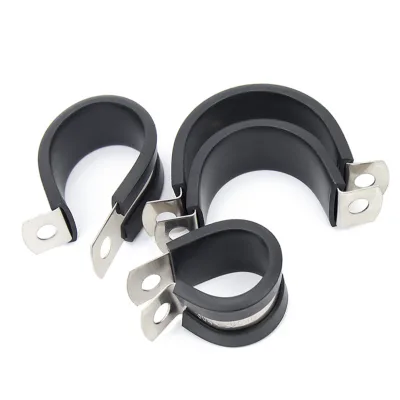




Comprehensive Sourcing Guide
Rubber Clamps Sourcing Guide
The global market for rubber clamps presents a diverse range of industrial solutions, primarily observed in applications serving the dairy, beverage, food, pharmacy, and biotech sectors. Buyers must recognize that these components often function as critical connectors or stabilizers within complex piping and structural systems. The observed product listings indicate a strong presence of specialized variants, including tube clamps with rubber coatings and heavy-duty pipe clamps designed for specific industrial environments. Understanding the specific operational context is the first step in narrowing down the vast array of available options to those that truly meet your facility's needs.
Procurement decisions for these items require careful attention to the material composition and structural design, as the supplied data reveals a mix of stainless steel, carbon steel, and rubber combinations. While some listings highlight natural ventilation modes and specific casting or forging techniques, others emphasize the use of metal structures with rubber coatings for enhanced grip and protection. Buyers should verify that the selected clamp type aligns with the mechanical stresses of their specific application, ensuring that the rubber component provides the necessary flexibility and sealing properties without compromising the structural integrity of the metal core.
Product Scope and Observed Listing Signals
The observed product scope for rubber clamps spans a wide spectrum of sizes and configurations, with nominal diameters ranging from 1/8 inch to 8 inches and specific inch measurements like 2, 3, 4, and 11/4 inches appearing frequently in listings. This variability suggests that suppliers cater to both small-scale laboratory setups and large-scale industrial infrastructure projects. The presence of models such as Longva500 and Longva502, alongside generic identifiers like 001 and 002, indicates a market where both standardized and custom-engineered solutions are readily available to meet diverse client requirements.
Listing signals also reveal significant variation in packaging and customization capabilities, with options ranging from simple PP bags to export-standard plywood cases. Many suppliers explicitly state that customization is available, including OEM and ODM services, which allows buyers to tailor the clamping range, such as the observed 250mm capacity, to their specific pipe or glass dimensions. This flexibility is a key signal for buyers seeking to integrate these components into existing systems without requiring extensive modifications to their current infrastructure or piping layouts.
Technical Specifications to Verify
When evaluating technical specifications, buyers must prioritize the verification of material compatibility and surface treatment processes. The data indicates that products are often constructed from stainless steel or carbon steel combined with rubber, and surface finishes like polishing are common. It is essential to confirm that the specific alloy grade and rubber compound are suitable for the intended environment, particularly in food and pharmaceutical applications where corrosion resistance and hygiene are paramount. The technique used, whether casting or forging, also significantly impacts the durability and load-bearing capacity of the final product.
Dimensional accuracy and fitment are equally critical, as the listings show a wide array of match nuts and clamping ranges that must align precisely with your piping standards. Buyers should verify that the nominal diameter and inch sizes correspond to international standards such as ISO, DIN, IDF, or SMS, which are frequently cited in the product data. Additionally, the specific structure of the clamp, whether it is a suspension clamp, fork, or heavy-duty variant, must be confirmed to ensure it can handle the intended tension and mechanical loads without failure during operation.
Compliance and Safety Documentation
Compliance documentation for rubber clamps often includes certifications such as CE and ISO, which serve as indicators of adherence to safety and quality management systems. While the presence of these marks is a positive signal, buyers must request specific test reports and material safety data sheets to verify that the rubber and metal components meet the rigorous standards required for food, beverage, and biotech industries. The absence of detailed certification data in a listing should prompt a direct inquiry to the supplier to ensure that the product has undergone the necessary validation processes for your specific regulatory environment.
Safety considerations extend beyond certification to include the operational integrity of the clamp under stress. Buyers should verify that the product condition is new and that the manufacturing process, such as forging or casting, has been executed to prevent structural weaknesses. Documentation regarding the clamping range and tension capabilities should be cross-referenced with your engineering requirements to ensure that the clamp will not slip or fail under the expected load. This due diligence is crucial for maintaining a safe working environment and preventing costly downtime or accidents in industrial settings.
Cost Drivers and Commercial Terms
Cost drivers for rubber clamps are heavily influenced by the material composition, with stainless steel and specialized rubber compounds typically commanding higher prices than carbon steel alternatives. The observed price range of 0.03 to 850,000 USD reflects the vast difference between simple, small-scale components and large, custom-engineered industrial systems. Buyers should analyze the total cost of ownership, considering factors such as the durability of the material, the complexity of the surface treatment, and the potential for customization, which can significantly impact the final unit price.
Commercial terms, including Minimum Order Quantity (MOQ) and lead times, vary widely across the market, with observed MOQs ranging from a single piece to 5,000 units. This flexibility allows buyers to scale their orders based on immediate needs or long-term procurement strategies. However, the specific packaging requirements, such as export cartons or plywood cases, can also affect shipping costs and logistics planning. Buyers must negotiate clear terms regarding payment, delivery, and returns to ensure that the commercial agreement aligns with their budget and operational timeline.
Supplier Qualification and Quality Control
Supplier qualification for rubber clamps requires a thorough assessment of their manufacturing capabilities and quality control systems. The data indicates that many suppliers are located in Zhejiang, China, a region known for its industrial manufacturing base. Buyers should verify the supplier's experience with specific techniques like forging and casting, as well as their ability to provide custom solutions for unique applications. A robust quality control process is essential to ensure that every batch of clamps meets the specified standards and performs reliably in the field.
Quality control measures should include rigorous testing of the clamping range, material strength, and surface finish to prevent defects that could lead to failure. Buyers should request evidence of the supplier's adherence to standards such as ISO and CE, and verify that they have a system in place for tracking production batches. The ability to provide detailed product specifications and customization options is a strong indicator of a supplier's commitment to quality. Establishing a clear communication channel for quality assurance issues is also vital for maintaining a successful long-term partnership.
Long-Term Procurement Checks
Long-term procurement checks for rubber clamps involve monitoring the consistency of product quality and the reliability of the supply chain over time. Buyers should establish a schedule for periodic audits and performance reviews to ensure that the clamps continue to meet the required specifications and standards. This proactive approach helps identify any potential issues with material degradation or manufacturing drift before they impact operations. Maintaining a relationship with a supplier who can provide consistent quality and timely support is crucial for the stability of your procurement strategy.
Additionally, buyers should regularly review the market for new technologies and materials that could offer improved performance or cost savings. The rapid evolution of industrial standards and the introduction of new rubber compounds or metal alloys may present opportunities to upgrade your current clamping systems. Staying informed about these developments allows buyers to make strategic decisions that enhance the efficiency and safety of their operations. Regular communication with suppliers about future needs and potential innovations ensures that your procurement strategy remains aligned with industry best practices.
FAQs
What materials are used for rubber clamps?
Rubber clamps are typically constructed using carbon steel combined with rubber coatings for durability and grip. Some variants utilize stainless steel or other metal alloys to ensure corrosion resistance in demanding environments. The specific material selection depends on the application requirements, such as food-grade processing or heavy-duty industrial use, ensuring both structural integrity and secure clamping performance.
Can rubber clamps be customized for specific needs?
Yes, customization is available for rubber clamps to meet unique operational requirements. Manufacturers often offer OEM and ODM services, allowing for tailored specifications in size, material composition, and packaging. Buyers can request specific packing methods like boxes, cartons, or plywood cases, ensuring the product fits seamlessly into their existing supply chain and operational workflows without compromising quality.
What certifications do rubber clamps typically hold?
Rubber clamps commonly hold CE certification, indicating compliance with European health, safety, and environmental protection standards. Additional standards such as ISO, DIN, IDF, and SMS may also apply, particularly for industries like dairy, beverage, and pharmaceuticals. These certifications ensure the products meet rigorous quality and safety benchmarks, providing buyers with confidence in the reliability and regulatory compliance of the components.
What is the typical MOQ for rubber clamps?
The minimum order quantity for rubber clamps is generally low, often starting at just one piece or unit. This flexible MOQ allows buyers to test samples or order small batches without significant commitment. It supports both trial purchases and larger industrial orders, making it accessible for various business sizes and ensuring that procurement processes remain efficient and cost-effective for diverse sourcing needs.
Where are rubber clamps typically manufactured?
Rubber clamps are predominantly manufactured in Zhejiang, China, a region known for its robust industrial manufacturing capabilities. This location supports a wide range of production techniques, including casting and forging, ensuring high-quality output. The concentration of suppliers in this area facilitates efficient logistics and consistent supply chain management, providing buyers with reliable access to these essential industrial components.
What applications are rubber clamps suitable for?
Rubber clamps are suitable for diverse applications including dairy, beverage, food processing, pharmacy, and biotech industries. They are also used in pipe clamping, glass mounting, and heavy-duty structural support. The versatility of these clamps allows them to secure tubes and pipes effectively, ensuring stability and safety in various industrial settings where reliable fastening and corrosion resistance are critical operational requirements.